
Being a homeowner means dealing with unexpected, expensive problems. Appliances and home systems do not last forever. They break down precisely when you need them most. A sudden failure can easily wipe out your emergency savings.
Imagine your refrigerator dying two days before a major holiday. Your food spoils rapidly, and replacing a modern smart fridge easily costs over $2,500. A failed HVAC compressor in the middle of a brutal summer will cost even more. Most families simply do not have $5,000 sitting in cash ready for sudden mechanical failures.
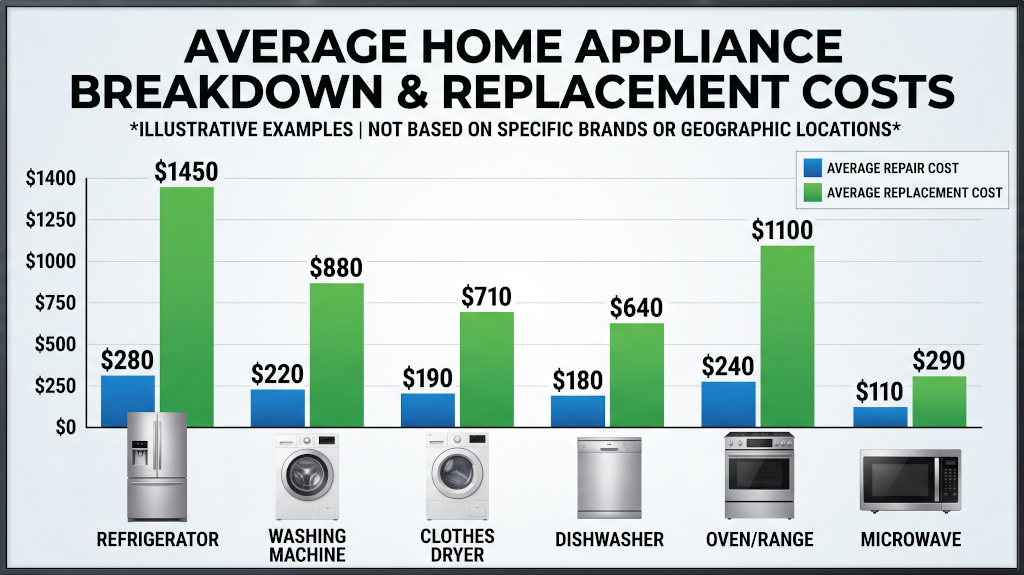
In 2026, repair costs have skyrocketed. The ongoing shortage of skilled technicians keeps labor rates high, and modern smart appliances feature complex computer boards that are incredibly expensive to replace. The financial risk of homeownership is higher than ever before.
If your appliances are getting older, you cannot afford to risk a total system failure. You must proactively protect your budget. You can get matched with top-rated home warranty providers right now to instantly lock in a customized quote before your next breakdown.

1. Home Warranty vs. Homeowners Insurance
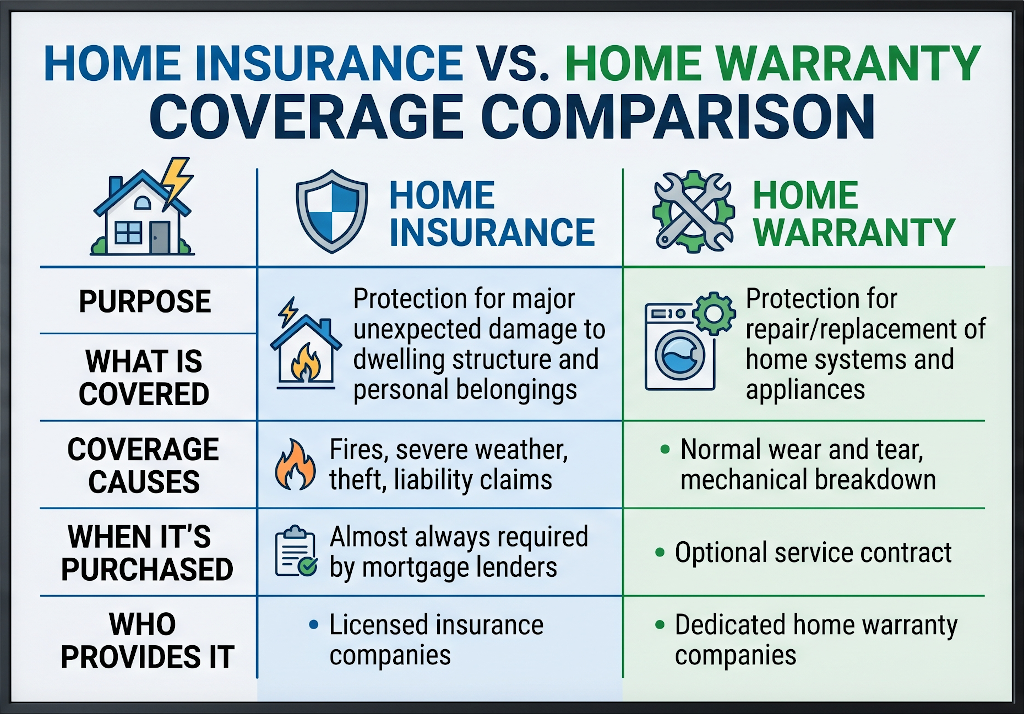
Many first-time homeowners mistakenly believe their standard insurance policy covers everything. This is a dangerous financial oversight. Homeowners insurance and home warranties serve two entirely different purposes.
The Role of Homeowners Insurance
Home insurance protects the physical structure of your house against unexpected, catastrophic disasters. If a massive tree falls through your roof during a storm, your insurance pays for the repairs. If a fire destroys your kitchen, insurance covers the rebuild. Insurance strictly covers accidental damage and "acts of God."
The Role of a Home Warranty
A home warranty is a service contract covering the mechanical breakdown of appliances and systems due to normal wear and tear. If your dishwasher motor burns out after seven years of daily use, insurance will completely deny the claim. A home warranty will dispatch a technician to repair or replace that specific dishwasher.
Insurance covers the sudden and catastrophic. Warranties cover the inevitable mechanical deaths of your appliances.
2. The Real Cost of a Home Warranty in 2026
Pricing for home warranties depends on the level of coverage you select. Companies generally offer three tiers: an appliance-only plan, a systems-only plan, and a comprehensive combo plan. Below is a realistic breakdown of 2026 costs.
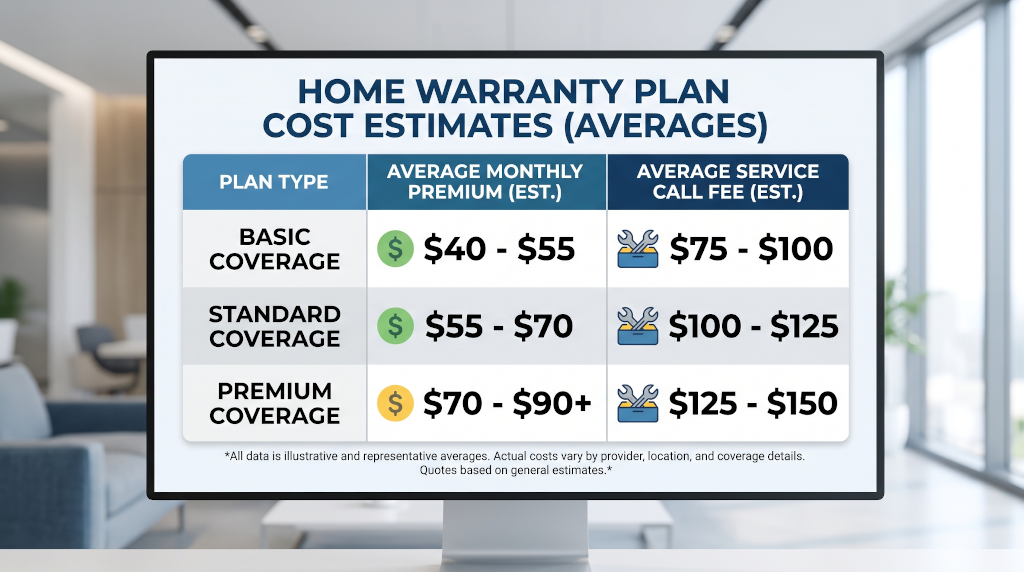
| Plan Type | Average Monthly Premium | Service Call Fee (Per Visit) | Best For |
|---|---|---|---|
| Appliance Only | $45 – $55 | $75 – $125 | Newer homes with older appliances |
| Systems Only (HVAC, Electrical) | $50 – $60 | $75 – $125 | Homes with aging AC units and plumbing |
| Comprehensive (Combo) | $70 – $90 | $75 – $125 | Total peace of mind for older homes |
Hidden Payout Caps
Your monthly premium is not the only number that matters. Every home warranty contract contains payout caps. This is the maximum dollar amount the company will pay out per item, per year. For example, if your policy caps HVAC replacements at $3,000, but a new furnace costs $6,000, you will be responsible for the remaining $3,000 balance.

3. What Does a Standard Home Warranty Actually Cover?
Coverage varies wildly between providers, making it critical to read the actual contract before signing. However, a standard comprehensive plan typically covers the major mechanical workhorses of your daily life.
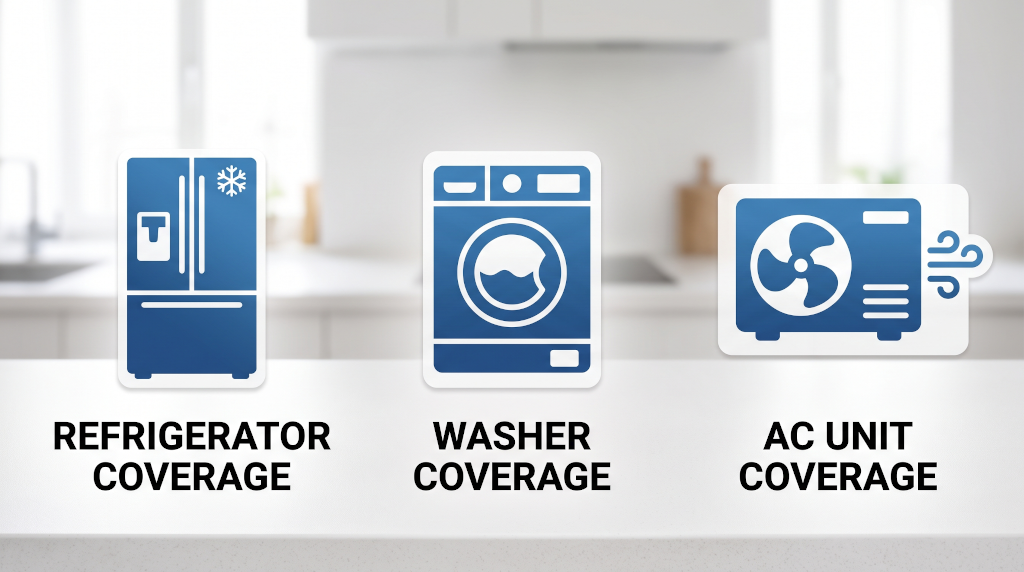
- Major Kitchen Appliances: Refrigerators, built-in microwaves, ovens, ranges, garbage disposals, and dishwashers.
- Laundry Appliances: Washing machines and clothes dryers.
- HVAC Systems: Central air conditioning units, gas furnaces, and heat pumps.
- Core Plumbing: Water heaters, interior plumbing leaks, and toilet tank mechanisms.
- Electrical Systems: Interior wiring panels, main breaker boxes, and ceiling fans.
You can usually purchase add-on coverage for specialized items like swimming pools, well pumps, septic systems, and secondary roof leak protection.
4. The Fine Print: What Will a Home Warranty Deny?
The biggest source of frustration with home warranties stems from denied claims. Companies are strict about the rules. You must clearly understand what will get your claim rejected.
A warranty will instantly deny coverage for pre-existing conditions. If the appliance was broken before your policy became active, they will not fix it. Similarly, they will deny claims caused by improper maintenance. If your AC dies because you refused to change the filter for two years, the resulting damage is entirely your responsibility.
Warranties also strictly avoid covering cosmetic damage. If your oven works perfectly but the door is heavily scratched, they will not replace it. Additionally, if repairing your broken water heater requires upgrading your plumbing to meet modern building codes, the warranty covers the heater, but you pay out of pocket for the code upgrades.
5. The "Repair vs. Replace" Protocol
When you file a claim, you do not get to choose between a repair or a brand new appliance. The warranty company strictly dictates this decision based on cost analysis.
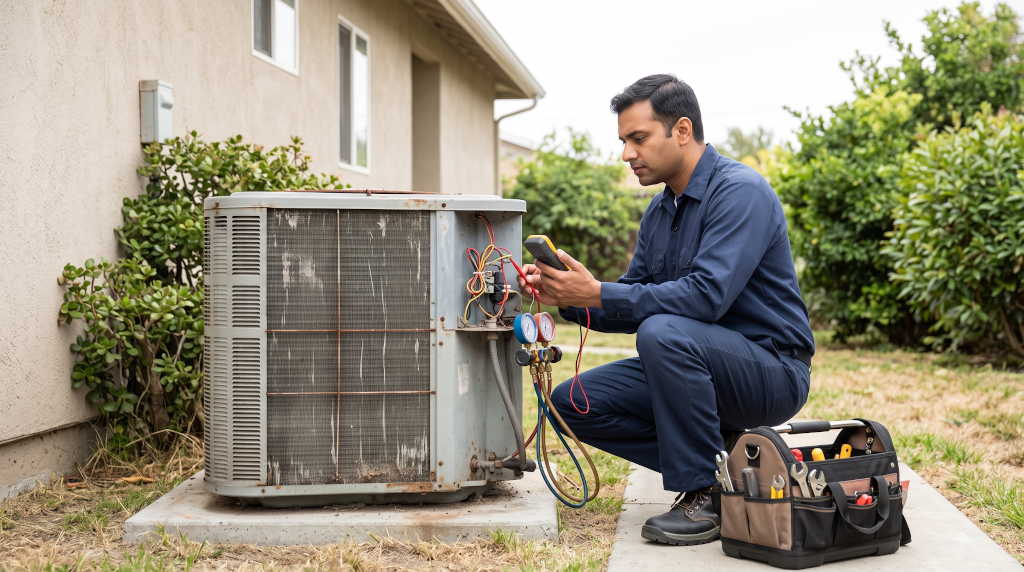
When the technician arrives, their first goal is always to repair the existing unit. If the replacement part is available and the repair costs less than the total value of a new unit, they will patch the old system. They will continue patching an old appliance until it suffers a catastrophic failure.
A replacement is only authorized when the machine is completely unrepairable, or the required parts are permanently discontinued by the manufacturer. If they replace your item, the contract usually guarantees a replacement of "similar features and capacity," not a specific premium brand name.

6. How to Choose a Legitimate Provider (And Spot Scams)
The home warranty space is filled with excellent providers, but it also contains predatory companies relying on high-pressure sales tactics. You must vet your options aggressively.
- Demand a Sample Contract: Never buy a plan based entirely on a salesperson's pitch over the phone. Demand a PDF of the actual service contract before handing over your credit card. Look specifically for the "Exclusions" section.
- Check the Payout Caps: Look closely at the limits for HVAC systems and refrigerators. A cheap monthly premium often hides dangerously low payout caps that render the policy useless during a major breakdown.
- Review the Cancellation Policy: Legitimate companies give you a 30-day grace period to cancel for a full refund. Beware of companies that charge exorbitant administrative fees just to cancel a policy you haven't used.
- Trust the Professionals: Use a trusted service to compare verified warranty quotes. This ensures you only speak with established companies that hold strong national ratings.
7. Is a Home Warranty Worth It for Your Home?
If you just bought a brand-new construction home, a warranty is likely unnecessary. Your builder's warranty and the new manufacturer warranties will cover almost everything for the first year or two.
However, if you live in a house older than five years, a home warranty acts as a powerful financial shield. Major appliances are heavily engineered but fragile. An HVAC system creeping toward the 10-year mark is a ticking time bomb. A home warranty prevents a single breakdown from destroying your monthly budget and ensures you aren't desperately calling random repairmen on a holiday weekend.
8. Frequently Asked Questions (FAQ)
How much does a home warranty cost per month in 2026?
In 2026, a standard home warranty costs between $45 and $65 per month. Comprehensive plans that cover both major appliances and core home systems generally range from $70 to $90 per month. You must also account for the service call fee, which typically ranges from $75 to $125 per visit.
What is the exact difference between home insurance and a home warranty?
Homeowners insurance covers structural damage caused by unexpected disasters, such as fires, severe storms, or vandalism. A home warranty covers the mechanical breakdown of your appliances and systems, such as a refrigerator dying from old age or an air conditioner motor failing due to normal wear and tear.
Will a home warranty cover my 15-year-old air conditioner?
Yes, reputable home warranty companies will cover older systems like a 15-year-old AC unit, provided it was in working condition when the policy started and has been properly maintained. However, check your contract for payout caps. If the cap is $2,000 and the replacement costs $6,000, you will pay the remaining balance.
Are there extra out-of-pocket costs when I actually file a claim?
Yes. Every time a technician comes to your home, you will pay a flat service fee (usually $75 to $125). Additionally, warranties do not cover building code upgrades, cosmetic damage, or secondary damage caused by the breakdown.