
A home's plumbing system operates silently behind drywall and beneath floorboards. Most homeowners completely ignore these crucial pipes until a catastrophic failure forces their attention. In a matter of minutes, pressurized water can destroy flooring, ruin cherished possessions, and threaten the structural integrity of your property.
Dealing with a plumbing emergency requires fast action and a calm mind. You must stop the immediate flow of water to prevent thousands of dollars in secondary damage, like rapid black mold growth. Once the crisis is stabilized, you face a critical decision. Do you simply patch the broken pipe, or do you take the opportunity to completely upgrade your home?
If you are currently watching water pour from a ceiling or dealing with a toxic sewer backup, you do not have time to read this guide. You must stop the damage right now. You can get matched with licensed, local emergency plumbers instantly to secure immediate dispatch.
For those looking to understand the true costs of emergency repairs and how to leverage a disaster into a stunning bathroom or kitchen remodel, keep reading. We break down exactly what you need to know about modernizing your home's water systems in 2026.

1. The Reality of Plumbing Emergencies
Plumbing emergencies are rarely predictable. They strike at the worst possible moments, usually in the middle of the night or on a holiday weekend. Understanding the severity of different crises helps you communicate clearly with dispatchers and prioritize your response.
The Threat of Burst Pipes
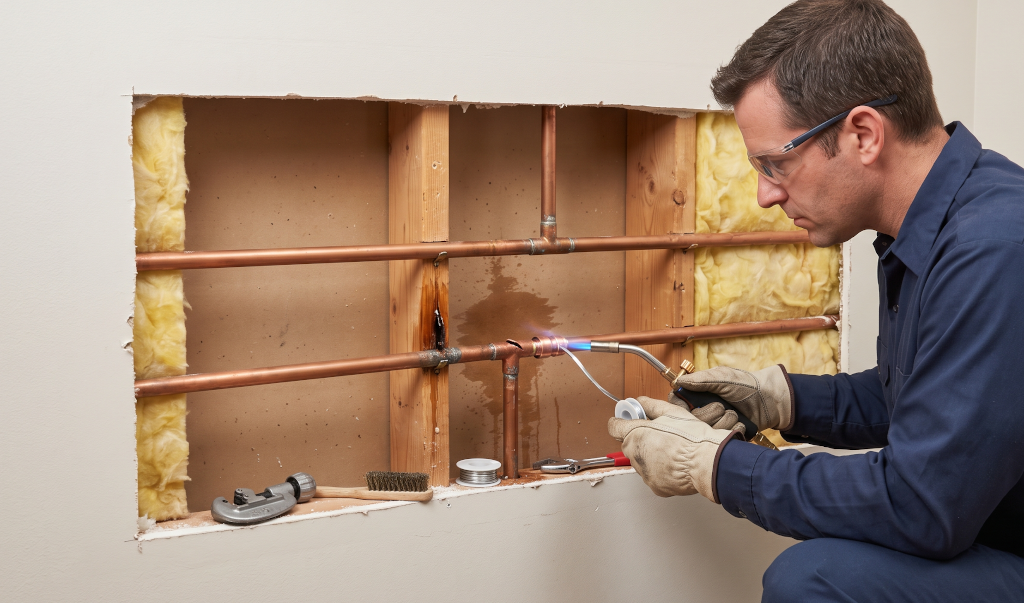
A burst supply line is arguably the most destructive residential crisis possible. Municipal water systems maintain high pressure. When a pipe ruptures, it can pump hundreds of gallons of water into your living space within an hour. This easily destroys hardwood floors, saturates drywall, and ruins electrical systems.
Frozen pipes are a massive threat in northern climates. When water freezes inside a copper or PVC line, it expands with immense force. The pipe inevitably splits. Once the ice thaws, the pressurized water blasts through the new hole.
Toxic Sewer Line Backups
While a burst pipe damages property, a sewer backup threatens your health. When tree roots crush a main sewer line, raw sewage has nowhere to go but back up your drains. This pushes toxic, bacteria-filled waste into your bathtubs, showers, and basement floor drains.
You cannot clean raw sewage yourself with household bleach. Professional biohazard remediation is strictly required. A camera inspection by a licensed plumber will determine if the sewer line needs to be rodded, hydro-jetted, or fully excavated and replaced.
2. Immediate Mitigation: Steps to Take Before the Plumber Arrives
When an emergency strikes, every second counts. You must take control of the situation to limit the financial devastation. The actions you take in the first five minutes dictate the final cost of the restoration.
- Kill the Main Water Supply: You must know exactly where your main water shutoff valve is located before an emergency happens. It is usually found in the basement, a crawlspace, or near the street meter. Turn it clockwise until the water flow completely stops.
- Isolate Localized Leaks: If a toilet or sink is overflowing, you do not need to shut down the whole house. Look for the small, silver shutoff valves (angle stops) located on the wall directly behind the fixture. Turn them firmly to the right.
- Eliminate Electrical Hazards: Water and electricity are a deadly combination. If water is leaking near light fixtures, outlets, or appliances, immediately go to your main breaker panel. Shut off the electricity to the affected rooms.
- Document Everything: As soon as the water is off and the area is safe, take extensive photos and videos. Your homeowner’s insurance company will demand overwhelming visual evidence of the initial damage before approving your claim.
3. 2026 Emergency Plumbing Repair Costs
Emergency repairs carry a premium price tag. You are paying for immediate availability, specialized diagnostic equipment, and after-hours labor. Labor rates for licensed plumbers have risen significantly due to strict state licensing requirements and a nationwide shortage of skilled tradesmen.
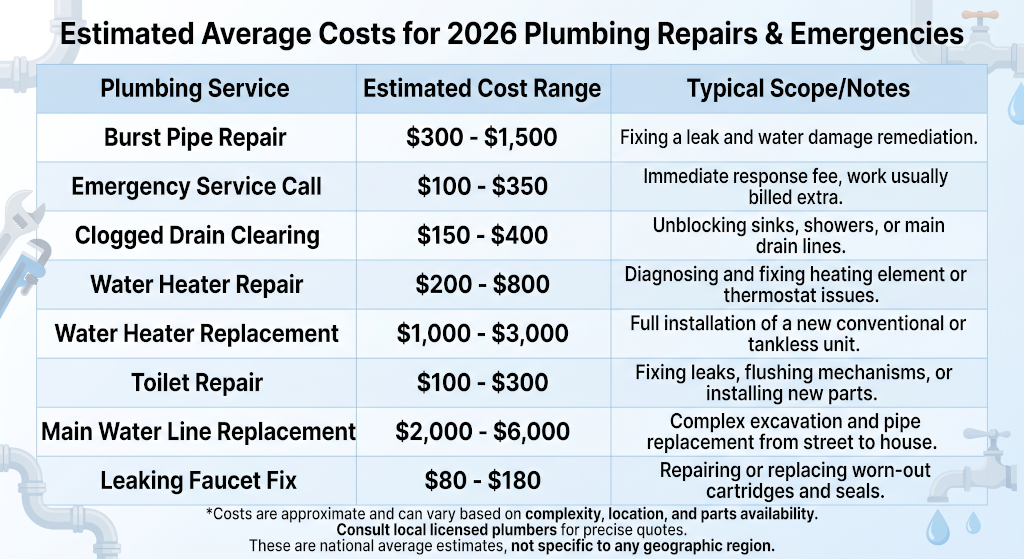
Below is a realistic breakdown of average national costs for common emergency repairs. These figures reflect the current 2026 market, assuming standard residential conditions.
| Type of Emergency Repair | Standard Pricing | After-Hours / Emergency Pricing |
|---|---|---|
| Burst Pipe Repair (Accessible) | $250 – $400 | $450 – $800+ |
| Water Heater Failure (Replacement) | $1,200 – $2,500 | $1,800 – $3,500+ |
| Sewer Line Rodding / Snaking | $300 – $600 | $500 – $900+ |
| Main Line Hydro-Jetting | $600 – $1,200 | $900 – $1,800+ |
| Toilet Seal Failure / Replacement | $200 – $450 | $400 – $700+ |
*Note: These prices cover the plumbing repair only. They do not include the cost of drywall repair, flooring replacement, or professional water mitigation services required after a flood.

4. The Silver Lining: Transitioning from Repair to Renovation
A major plumbing failure is incredibly stressful. However, it often presents a unique financial opportunity. If a plumber has to tear open a massive section of your kitchen ceiling to fix a leaking drain, you are already paying for demolition and drywall repair.
This is the most cost-effective time to initiate a long-planned renovation. Why pay a contractor to patch a damaged wall, only to pay another crew to tear it down a year later for a remodel? Capitalizing on an emergency allows you to consolidate labor costs.
Opening Walls for Upgrades
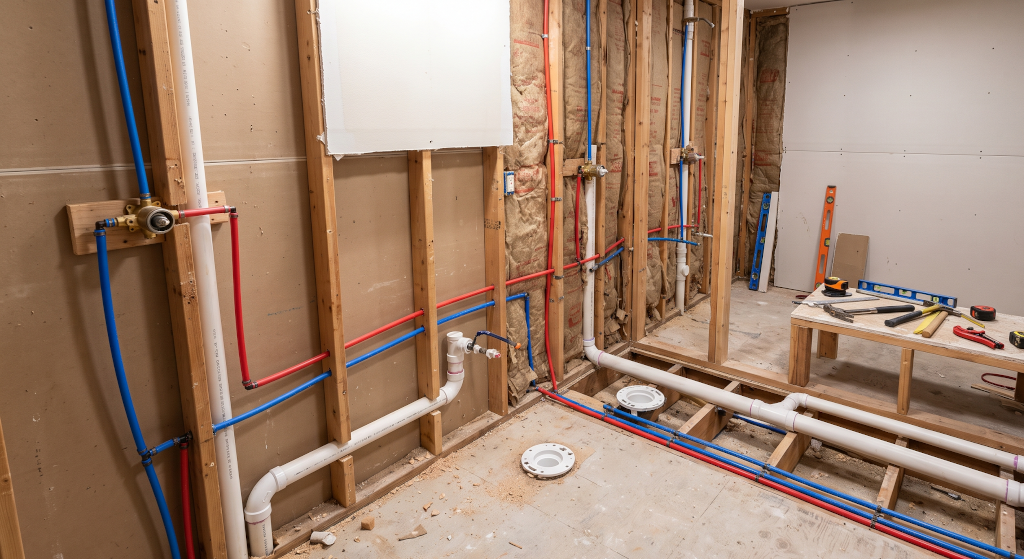
When walls are open to the studs, plumbers have unrestricted access to your home's vital infrastructure. This is the perfect moment to move a toilet drain, relocate a shower valve, or run a new water line for a kitchen island. Doing this work while the wall is closed is notoriously expensive and labor-intensive.
You can seamlessly transition a crisis into an upgrade. If a failed fiberglass shower pan causes a massive leak, do not replace it with another cheap insert. Consult with top-rated local contractors to install a custom, fully waterproofed tile walk-in shower with modern fixtures.
5. Proactive Upgrades: Repiping and Smart Technology
You do not have to wait for a disaster to modernize your plumbing. Proactive upgrades protect your home's equity and lower your insurance premiums. The 2026 plumbing market offers incredible materials and smart technology designed to prevent leaks before they start.
Replacing Outdated Pipes (PEX Upgrades)
If your home was built before 1990, you likely have galvanized steel or polybutylene pipes. Galvanized pipes rust from the inside out, choking water pressure and eventually bursting. Polybutylene pipes are notoriously brittle and prone to catastrophic failure without warning.
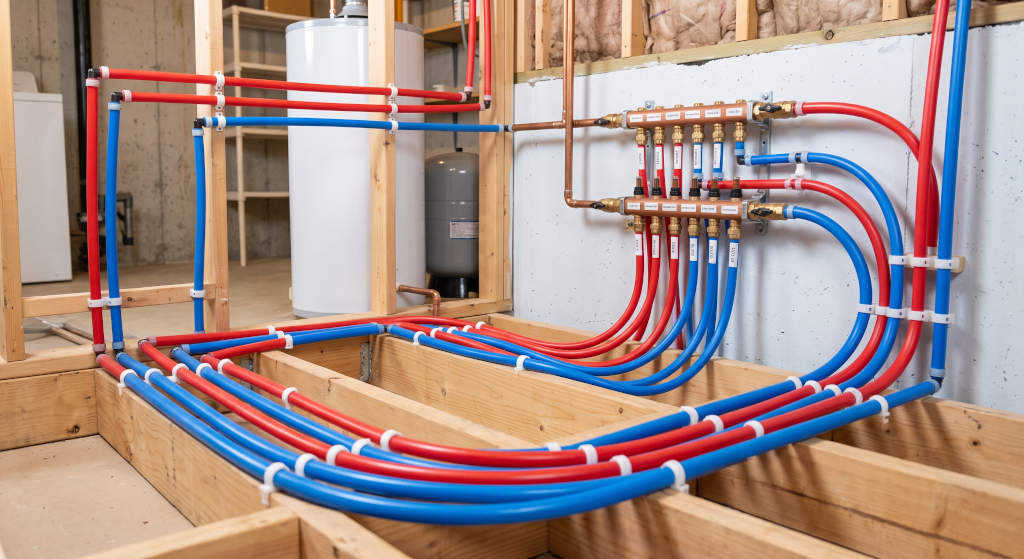
A complete home repipe using modern PEX (cross-linked polyethylene) tubing is the ultimate upgrade. PEX is highly flexible, resists freezing, and does not corrode. Repiping drastically improves water pressure and provides decades of secure, leak-free performance.
Smart Leak Detection Systems
Technology has revolutionized home protection. You can now install a smart water monitor directly onto your main water line. These devices track your normal water usage patterns using advanced algorithms.
If a pipe bursts while you are on vacation, the system instantly detects the abnormal flow. It immediately sends an alert to your smartphone and automatically engages a motorized valve to shut off the main water supply. This $500 device can easily prevent $50,000 in water damage.
6. Remodeling Cost Breakdown: Kitchens and Bathrooms
If you decide to turn your repair into a full-scale renovation, you must understand the plumbing costs associated with luxury upgrades. Relocating fixtures requires careful planning, strict code compliance, and proper venting to ensure drains do not smell like sewer gas.
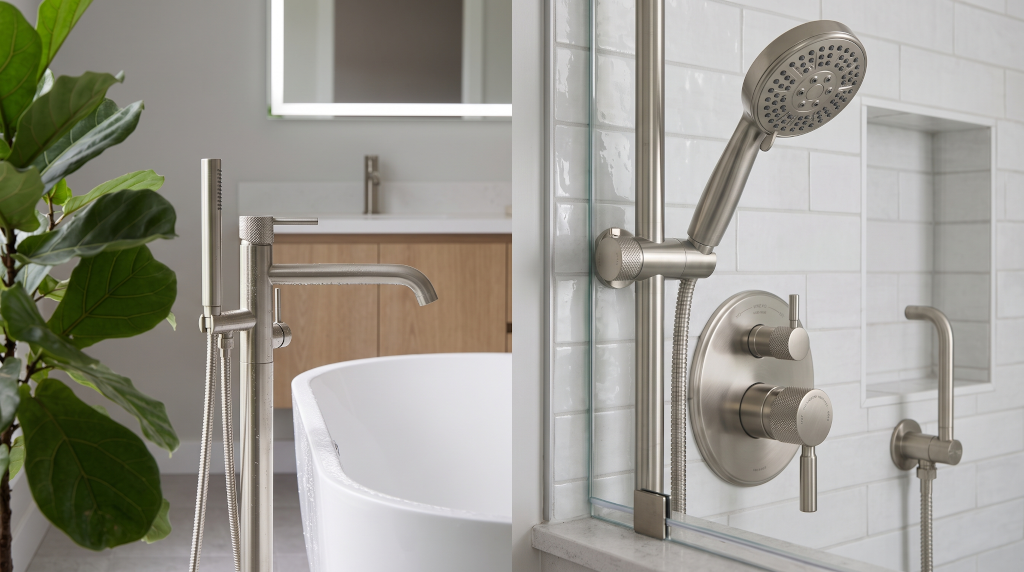
Here are typical plumbing-specific costs encountered during major 2026 kitchen and bathroom remodels. These estimates assume the walls are already open and accessible.
| Renovation Task | Estimated Plumbing Cost | Project Details |
|---|---|---|
| Moving a Toilet Location | $500 – $1,200 | Requires altering the main 3-inch drain line and repositioning the vent stack. |
| Installing a Freestanding Tub | $800 – $1,500 | Includes running new floor-mounted supply lines and setting a specialized drain base. |
| Upgrading to a Custom Shower System | $900 – $2,000 | Running multiple supply lines for rainfall heads, body jets, and thermostatic mixing valves. |
| Adding a Kitchen Island Sink | $600 – $1,400 | Requires cutting into the concrete slab or running lines through floor joists, plus loop venting. |
| Tankless Water Heater Conversion | $2,500 – $4,500 | Upgrading gas lines for higher BTU demand and installing specialized PVC exhaust venting. |
*Note: These figures solely represent the licensed plumbing labor and rough-in materials. They do not include the retail cost of the luxury fixtures, tile work, or general contractor fees.

7. How to Vet and Hire a Licensed Plumbing Professional
Plumbing is not a hobby. Improperly installed gas lines can cause explosions, and poorly vented drains can fill your home with toxic fumes. You must hire rigorously vetted professionals to protect your family and your investment.
Follow these strict guidelines before signing any contract or authorizing work:
- Mandatory Licensing: Never hire an unlicensed handyman to perform major plumbing work. Demand to see a physical copy of their state master plumbing license. You can verify this license number directly through your state's occupational licensing board.
- Bonding and Insurance: The contractor must carry substantial general liability insurance and a surety bond. If a worker solders a pipe poorly and burns your house down, their insurance policy is the only thing protecting you from total financial ruin.
- Itemized Written Proposals: Reject vague, handwritten estimates. A professional company will provide a detailed, digital proposal. It should itemize the cost of specific fixtures, the scope of labor, and outline who is responsible for hauling away debris.
- Pulling Permits: Any significant alteration to your plumbing system requires a permit from your local building department. Shady contractors will tell you to skip the permit to save money. This is a massive red flag. Permits trigger municipal inspections that guarantee the work meets safety codes.
8. Frequently Asked Questions (FAQ)
How much does an emergency plumber cost per hour in 2026?
In 2026, an emergency plumber typically charges between $150 and $300 per hour. After-hours, weekend, or holiday dispatch fees often add a flat rate of $100 to $250 just to show up. Always ask for clear, upfront pricing before authorizing emergency work.
What is the very first step I should take if a pipe bursts?
You must instantly locate and turn off your home's main water shutoff valve. This stops the flow of pressurized water and limits structural damage. Once the water is off, turn off the electrical breakers to any affected areas to prevent shock hazards.
How long does a complete home repiping actually take?
A full home repiping project using modern PEX tubing typically takes between three and five days for an average-sized home. The contractor will need to cut strategic holes in your drywall to access old lines, which requires subsequent drywall repair and painting.
Should I upgrade to a tankless water heater during a renovation?
A tankless water heater provides endless hot water and frees up valuable floor space. If you are already opening walls for a bathroom or kitchen renovation, it is the perfect time to run the necessary upgraded gas lines and specialized venting required for a tankless system.