
Windows are the literal barrier between your family and the extreme outdoor elements. They play a massive role in your home’s energy efficiency, physical security, and overall market value. When they begin to fail, ignoring the problem creates immediate financial and structural dangers.
Drafty, outdated windows force your HVAC system to work overtime. You end up burning hundreds of extra dollars on heating and cooling bills every single year. Failing window frames also allow silent water intrusion, causing invisible wood rot and toxic mold inside your wall cavities.
Replacing your windows in 2026 is a major investment. New energy efficiency regulations and advanced glass manufacturing techniques have completely changed the market. You must understand frame materials, glass coatings, and installation methods before signing a contract.
If you already have foggy glass, rotting wood, or windows that simply refuse to open, you need to stop the damage immediately. You can get matched with top-rated local window installers right now to secure competitive replacement bids.
For homeowners planning a strategic home upgrade, this guide covers everything you need to make smart decisions. We break down realistic 2026 costs, demystify confusing energy ratings, and show you exactly how to protect yourself from high-pressure window salespeople.
1. Repair vs. Replace: Reading the Warning Signs
Many homeowners struggle to know if they need a simple repair or a full replacement. Fixing minor hardware issues is cheap, but repairing structural frame failure is a waste of money. You must diagnose the root cause of the problem.
When to Repair Your Windows
You can usually repair a window if the physical frame is solid and the glass is intact. Broken locks, stuck sashes, or torn window screens are simple weekend fixes. If a window requires extra effort to slide up and down, cleaning the tracks and applying a silicone lubricant often solves the issue instantly.
If you have older, single-pane historic wood windows, you might choose to reglaze the glass and install heavy storm windows. This preserves the historical character of the home without ripping out the original craftsmanship.
When Replacement is Mandatory
You should immediately begin planning for a total replacement if you notice any of these severe failure points:
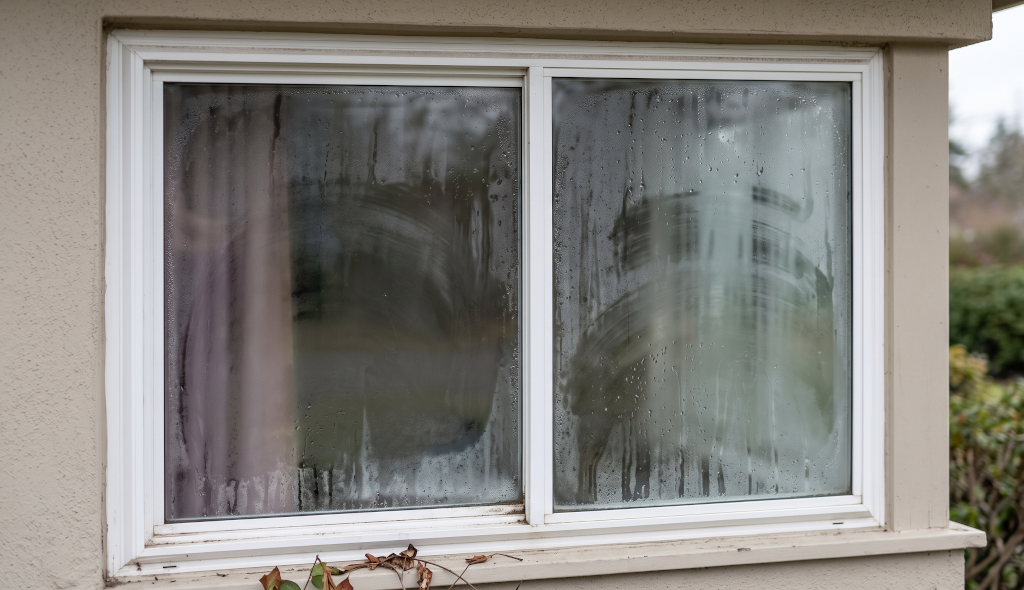
- Total Seal Failure (Foggy Glass): If your double-pane windows look permanently foggy or dirty between the glass layers, the seal is broken. The insulating argon gas has escaped, and the window has lost all energy efficiency. You cannot repair a broken seal; the entire sash or window must be replaced.
- Severe Wood Rot: Press a screwdriver into the wooden sill and exterior frame. If the wood is soft, spongy, or crumbling, water has compromised the structure. Painting over rot traps the moisture and accelerates the destruction of your wall framing.
- Drafts and Whistling: If you can literally feel cold air blowing through the closed window frame during winter, your weatherstripping and sash alignment have failed completely.
- High Utility Bills: Single-pane aluminum windows act as massive thermal radiators. They actively suck the heat out of your house in winter and bake your home in the summer. Upgrading these will provide immediate, permanent relief to your wallet.
2. The 2026 Window Replacement Cost Breakdown
Window pricing is notoriously confusing because it depends heavily on the frame material you choose. A premium solid wood window will cost significantly more than a standard builder-grade vinyl unit. You must also factor in the high cost of skilled labor.
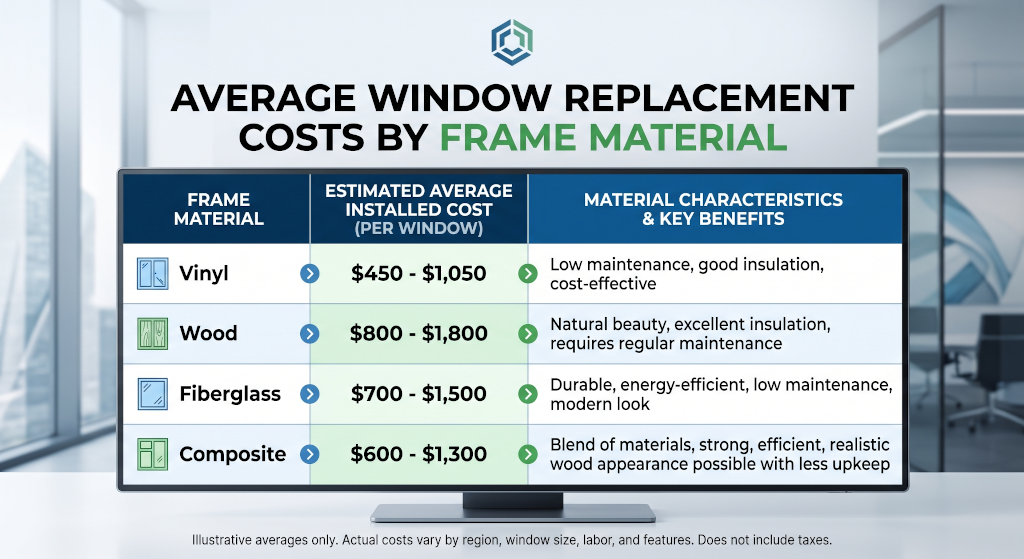
Below is a realistic 2026 national average cost breakdown for a standard-sized, double-hung replacement window. These prices include the physical window, standard Low-E glass, and professional installation labor.
| Frame Material | Average Cost Per Window (Installed) | Durability & Maintenance |
|---|---|---|
| Vinyl | $600 – $950 | Zero maintenance, will not rot, limited color options. |
| Fiberglass | $900 – $1,400 | Incredibly strong, paintable, resists extreme temperature shifts. |
| Wood (Aluminum Clad) | $1,200 – $1,800+ | Premium aesthetic, high maintenance inside, durable metal exterior. |
| Aluminum | $700 – $1,100 | Thin modern profile, poor insulation in cold climates. |
| Composite | $800 – $1,300 | Looks like wood, performs like vinyl, highly durable. |
*Note: Custom shapes, massive picture windows, bay windows, and total full-frame tear-outs will significantly increase these baseline estimates.
Why Vinyl Dominates the Market
Vinyl is currently the most popular choice for standard residential replacements. It offers the best return on investment. High-quality vinyl frames feature multiple hollow interior chambers that trap air, providing excellent insulation. They never require painting, making them incredibly low maintenance.
3. Decoding Energy Efficiency (Low-E and Argon)
When reviewing window quotes, you will be bombarded with technical energy jargon. Understanding exactly how modern glass works prevents you from overpaying for features you do not need in your specific climate.
The Magic of Low-E Glass
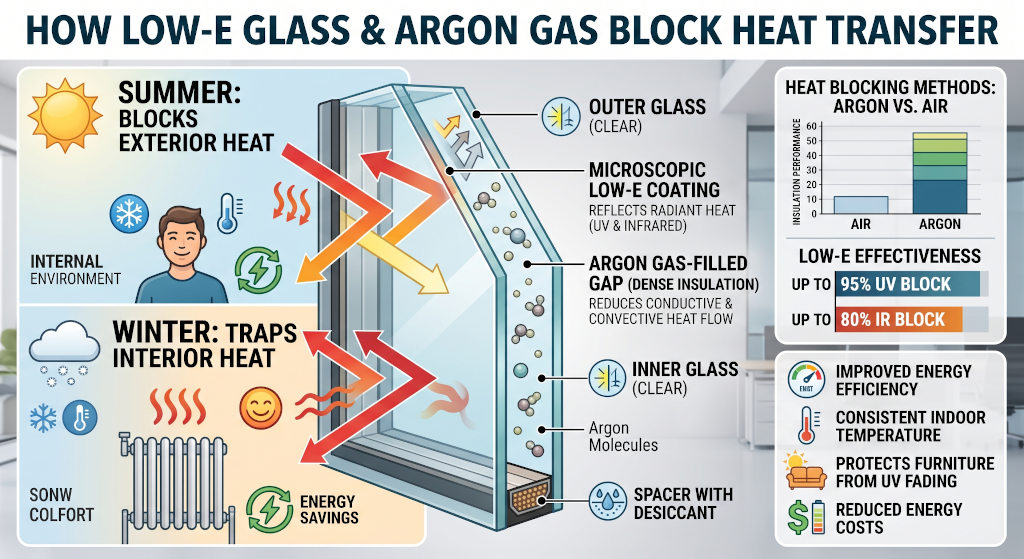
Low-E (Low-Emissivity) glass features a microscopic, transparent metallic coating applied directly to the glass surface. This coating acts as a thermal mirror. In the summer, it reflects the sun's burning infrared heat back outside, keeping your house cool. In the winter, it reflects your furnace's heat back inside.
Low-E coatings also block up to 95% of harmful UV rays. This completely stops your expensive hardwood floors, furniture, and curtains from fading and bleaching in the direct sunlight.
Argon and Krypton Gas Fills
A standard double-pane window has two sheets of glass with a spacer between them. If that space is filled with normal air, the window is only moderately efficient. Modern windows fill that sealed gap with Argon or Krypton gas. These noble gases are much denser than regular air, which drastically slows down heat transfer.
U-Factor and SHGC
- U-Factor: Measures how well a window prevents heat from escaping your home. The lower the number, the better the insulation. If you live in a cold northern climate, you want the lowest U-Factor possible (ideally below 0.27).
- SHGC (Solar Heat Gain Coefficient): Measures how much solar heat the window allows inside. The lower the number, the less solar heat enters. If you live in a hot southern climate, you need a very low SHGC (below 0.25) to ease the burden on your air conditioner.

4. Choosing the Right Window Style
Replacing windows gives you the opportunity to completely change how your home looks and ventilates. Different styles serve very different architectural and functional purposes.
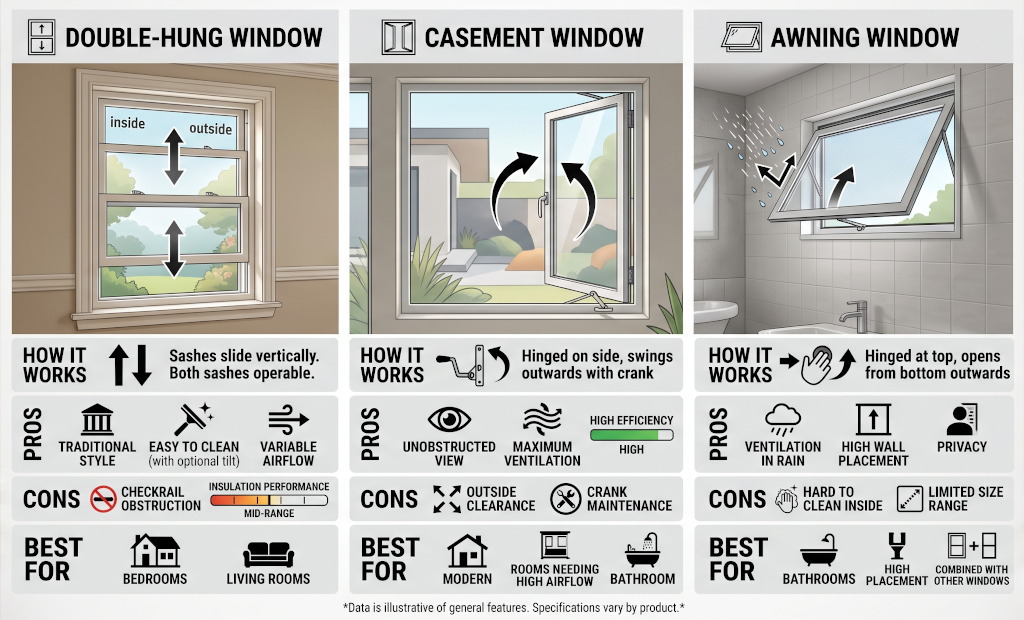
- Double-Hung: The standard American window. Both the top and bottom sashes slide vertically. They often tilt inward, making it incredibly easy to clean the outside glass from safely inside your home.
- Casement (Crank-Out): Hinged on the side, opening outward like a door using a hand crank. They provide a massive, unobstructed view and grab side-breezes for superior ventilation. When locked, the sash presses tightly against the weatherstripping, making them highly energy efficient.
- Awning: Hinged at the top and opening outward from the bottom. These act like a glass umbrella. You can leave them open during a light rainstorm for fresh air without water pouring into your house.
- Picture Windows: Large, fixed sheets of glass that do not open. Because they have no moving parts, they are completely airtight and perfect for framing scenic views.
5. The Installation Process Explained
A premium $2,000 fiberglass window is worthless if installed incorrectly. Water will leak behind the trim, and drafts will bypass the frame entirely. There are two distinct methods of window installation, and choosing the right one is critical.
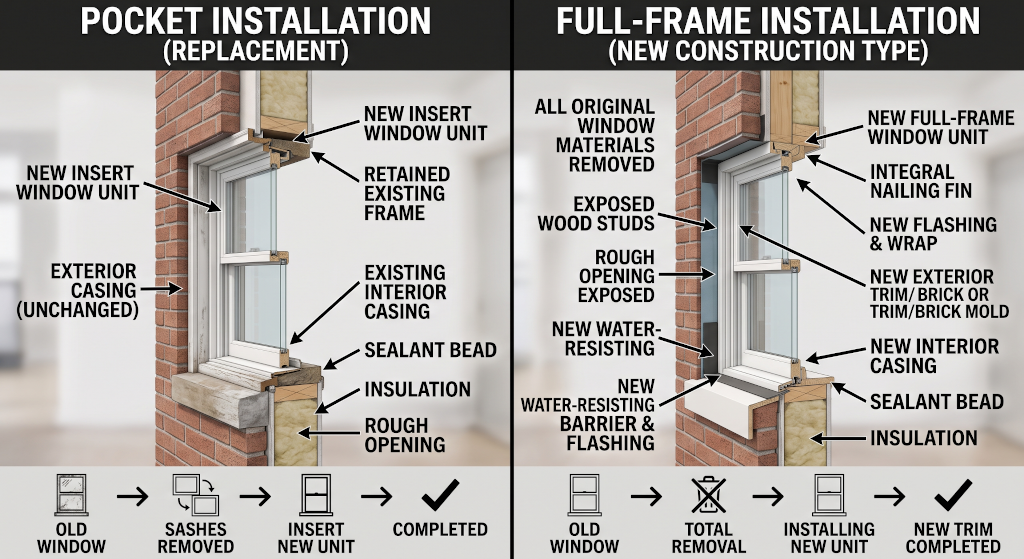
The Pocket Insert Replacement
A pocket installation (or insert window) is the most common and affordable method. The installer removes the old sashes and stops, but leaves the original exterior frame and interior trim completely intact. The new, slightly smaller window is simply slid into the existing opening.
This method is fast, clean, and does not disturb your drywall or exterior siding. However, you can only use this method if your original wooden frames are perfectly square, structurally sound, and completely free of rot.
The Full-Frame Replacement
A full-frame replacement involves tearing out the entire existing window, including the frame, casing, and trim, down to the original rough opening studs. This exposes the bare bones of your house.
This method is mandatory if you have hidden water damage, severe rot, or if your window opening is badly out of square. Installers can apply brand new flashing tape and foam insulation directly to the rough opening, guaranteeing a perfect, watertight seal. It is significantly more expensive but provides ultimate peace of mind.
6. How to Hire a Reliable Window Contractor
The window replacement industry is famous for high-pressure sales tactics. Some companies use "drop closes," fake manager phone calls, and artificial "buy today only" discounts to pressure you into bad contracts. You must protect yourself.
Follow these strict rules when hiring a window installer:
- Demand Multiple Quotes: Never sign a contract on the first night. Get at least three written estimates from local installers. This instantly reveals which companies are inflating their prices.
- Scrutinize the Warranty: A lifetime warranty often only covers the physical vinyl frame. Read the fine print to see exactly how long the glass seal failure warranty lasts, and strictly check if labor is covered. A free replacement sash is useless if they charge you $300 an hour to install it.
- Check Certifications: Ensure the installer is certified directly by the window manufacturer (e.g., a Pella Certified Contractor or Andersen Certified Installer). If an uncertified contractor bungles the job, the factory will instantly void your warranty.
- Verify Insurance: Always demand physical proof of active liability insurance and workers' compensation. If a technician drops a heavy pane of glass and destroys your floors, their insurance must cover the damages.
7. Frequently Asked Questions (FAQ)
How much does an average window replacement cost in 2026?
In 2026, the average cost to replace a standard double-hung window ranges from $600 to $1,200 per window, fully installed. High-end wood or fiberglass windows can push the cost well above $1,500 per unit. The final price depends heavily on the frame material, glass energy ratings, and the complexity of the installation process.
What is the difference between pocket installation and full-frame replacement?
A pocket installation leaves the original window frame and trim intact, sliding a new sash unit directly into the existing opening. It is faster and cheaper. A full-frame replacement removes everything down to the rough opening studs. This is necessary if there is hidden water damage, wood rot, or if you want to completely change the size or style of the window.
How long do vinyl replacement windows actually last?
High-quality vinyl replacement windows typically last 20 to 40 years. Their lifespan depends primarily on the quality of the original installation and the harshness of your local climate. Extreme heat and direct UV exposure can cause cheaper vinyl to warp and degrade slightly faster than fiberglass or clad-wood frames.
Do new energy-efficient windows really save money on utility bills?
Yes. If you are replacing single-pane, drafty, or aluminum-framed windows with modern double-pane, Low-E, gas-filled windows, you can expect to save between 12% and 33% on your annual heating and cooling costs. The savings compound over the life of the windows while drastically improving indoor comfort and blocking harmful UV rays.